Before the First Coffee: Why Britain’s Weekend Anime Screenings Feel Like a Club
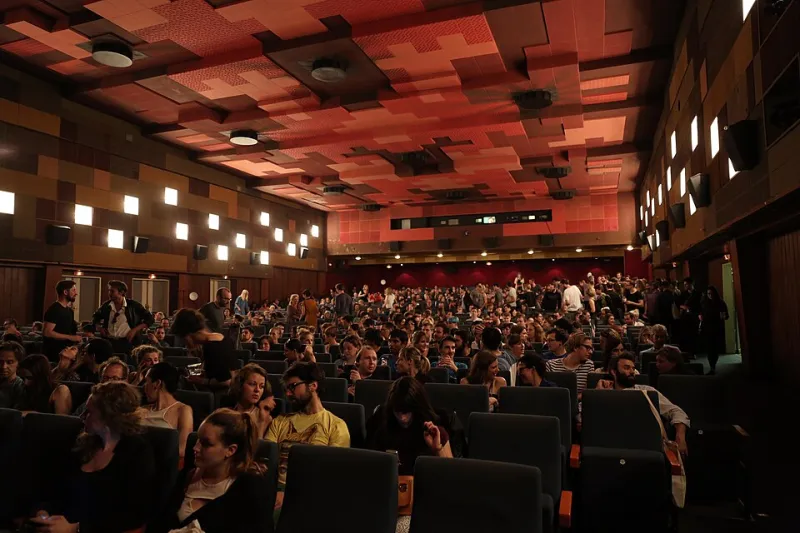
Photo: Manfred Werner - Tsui, CC BY-SA 3.0, via Wikimedia Commons
On a wet Saturday in November, the queue outside an independent cinema can look like a group chat that has learned to stand in a line. There are teenagers in oversized hoodies, parents with a seven-year-old in tow, and a couple of thirty-somethings quietly arguing about whether the subtitled version is the only version. The film does not start for twenty minutes. The coffee machine is already under pressure.
This is the weekend anime screening: not a festival, not a midnight marathon, but a regular matinee slot that a growing number of UK picture houses have made their own. The idea is simple. Put a Japanese animated film on a big screen at a civilised hour, price it like a matinee, and let the audience find it. In 2026, that audience is broader than the phrase anime fan might suggest.
The 11am crowd
The first thing to know is that these screenings are not one crowd. Early family shows often lean on dubbed versions of well-known titles, with plenty of Studio Ghibli and a few newer family-friendly releases. Later slots can be subtitled, louder, and slightly older: Satoshi Kon retrospectives, Makoto Shinkai seasons, anniversary screenings of films that built the fandom in the first place.
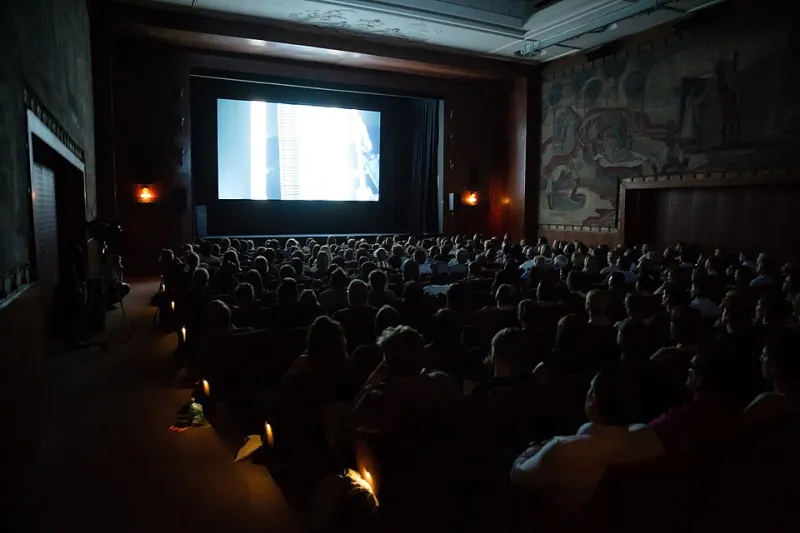
What links them is the mood. A weekend morning screening has a different social temperature from a Friday night blockbuster. People arrive early. They talk in the queue. They leave slowly. The cinema feels less like a destination for a single film and more like a club that happens to have a licence to sell popcorn.
Not just a Ghibli greatest-hits reel
It would be easy to assume these matinees are all Spirited Away, all the time. Ghibli still sells tickets, and rightly so, but the better programmes mix the familiar with the less familiar. You might find a dubbed family title at 10.30am, a subtitled classic at noon, and a newer release in the early afternoon. Some venues run short seasons rather than one-offs, which gives the screenings a sense of momentum.
Independent cinemas are good at this because they already programme like enthusiasts. A venue such as the Prince Charles Cinema in London, the Hyde Park Picture House in Leeds, the Tyneside Cinema in Newcastle, the Glasgow Film Theatre, Broadway in Nottingham, Watershed in Bristol, HOME in Manchester, Chapter in Cardiff or the Queen’s Film Theatre in Belfast can build an audience over weeks rather than betting everything on a single weekend. The result is a calendar that rewards regulars.
The practical bit: subtitles, dubs and door times
Before you book, read the listing properly. This is the least romantic advice in the article, but it saves arguments in the foyer. Check whether the screening is subtitled or dubbed. Family matinees are often dubbed; later shows are often subtitled, but there is no universal rule. Check the age rating, too. A 12A means under-12s need an adult, and not every animated film is a gentle afternoon out. Some anime titles carry a 15.
Look at the door time as well as the start time. A 10.30am screening may mean doors at 10, and independent venues often have smaller foyers than multiplexes. If you are travelling by train, check the Sunday timetable before you fall in love with a 1pm slot. If you have access needs, ring the venue rather than relying on a booking app. Some cinemas run relaxed screenings, but do not assume every matinee is one.
Ramen, rice balls and the after-screening economy
The post-film plan matters more than it should. A growing number of venues sit near Japanese or East Asian restaurants, and weekend screenings have started to overlap with lunch. Some cinemas lean into it with ticket bundles or local partnerships; others simply benefit from being a two-minute walk from a noodle bar. Either way, the after-screening debrief is part of the appeal. A bowl of ramen is a good way to argue about an ending without disturbing the next audience.
This is where the UK side of the story gets interesting. These are not huge corporate events. They are neighbourhood arrangements: a cinema, a bakery, a bubble tea shop, a bookshop with a small anime shelf. The matinee works because it fits the shape of a British weekend. You can do it before the shopping, after the park, or instead of both.
Why it works
Weekend mornings are dead time in a lot of cinemas. Anime fans are used to organising online, but a screening gives that energy a room. Families get a cinema trip that does not involve a motorway retail park. Long-time fans get to see a film they know intimately with an audience that laughs in the right places.
None of this is accidental. The anime matinee is a good deal for venues: lower overheads than a prime-time slot, a loyal audience, and a programme that can be built season by season. For viewers, it is a low-risk way to test a film you might never stream. The big screen does something to hand-drawn backgrounds and silent pauses. Even a film you have seen three times at home feels different when thirty other people are holding their breath.
Before you book
Start with the venue’s own website, not a ticket resale site. Check the format, the rating and the language. Book early if it is a one-off; weekend anime shows can sell out quietly. Arrive with time to spare, especially if you are collecting tickets. And if you are bringing someone new, pick a film with a clear hook rather than a three-hour epic.
As 2026 rolls towards its final weeks, the weekend anime screening looks less like a novelty and more like a fixture. It is not the loudest part of UK film culture. It is just the one with the best coffee queue.