The Answer's in the Chorus: How British Pub Quizzes Learned to Speak Hallyu
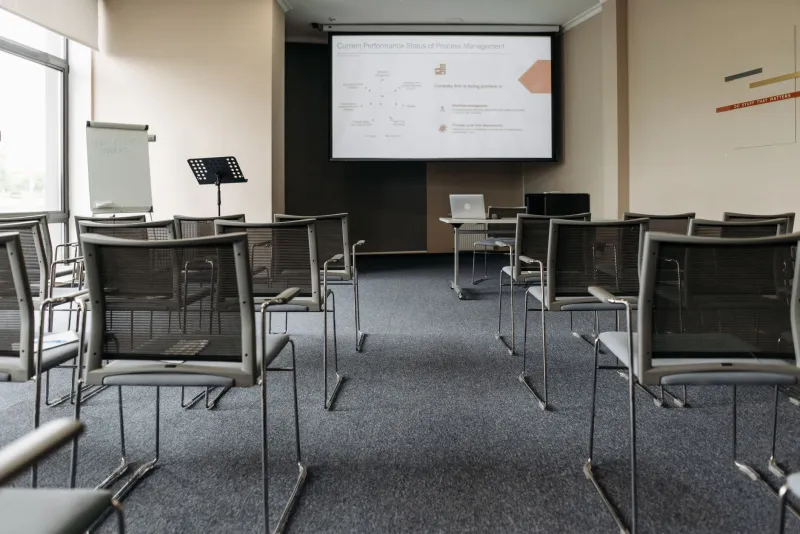
It's a Tuesday in Leeds, the kind of evening that steams up the windows from the inside. Upstairs, twenty-six people are squinting at a projector showing a slightly blurred drama still, arguing in whispers about whether the scene is from Hotel del Luna or Goblin. The quizmaster, cardigan and BTS lanyard, gives them thirty seconds and then a hint. "Think hotel. Think ghosts. Think the soundtrack you've had on repeat since March." A hand goes up. Someone answers with the confidence of a person who has watched the boxset four times. The room claps.
This is the pub quiz, hallyu edition — and it is happening more often than you'd think.
From sticky carpets to lightsticks
The classic British quiz night hasn't gone anywhere. It's still there on a Sunday, all anagrams and "which year did the Channel Tunnel open". What's changed is the arrival of a second shift: hosts who cut their teeth in fandom and have worked out that the pub is a really good room for it. Function rooms above Victorian boozers, back bars of community halls, the odd working men's club with a screen that hasn't been switched on since a Eurovision party — these are the new venues for a quiz where the picture round is a K-drama and the music round opens with an anime theme tune.
Most of these nights run monthly or fortnightly rather than weekly, often on a Tuesday or Wednesday when footfall is soft and the room is free. Entry tends to sit between £2 and £5 a head, sometimes with a charity split, sometimes with a bar tab for the winners. Team sizes are capped, usually at six, and solo attendees are actively encouraged — a detail that matters more than it sounds.
How a hallyu round actually works
A good night tends to run five or six rounds, and the structure is where the craft lives. The most common mix looks something like this:
- The warm-up. General East Asian pop culture — release years, group names, a couple of easy anime questions. Nobody is eliminated here.
- The picture round. Stills, album art, magazine covers, and one deliberately obscure frame that only the deep-cut table will get.
- Scene it or sing it. A clip plays; teams either identify the scene or sing the next line. Marking is generous, and volume is encouraged.
- The lyric gap. A line with a word missing, often translated, occasionally transliterated. Points are not deducted for pronunciation.
- The specialist round. This is the one hosts protect. Every pack should have three or four questions that feel impossible to a casual fan and obvious to a resident expert, because those questions are what make the experts come back.
Good hosts stagger the difficulty rather than front-loading it, and they avoid anything that turns into a gotcha. One quizmaster in Bristol told me she has a personal rule: never ask a question where the correct answer could be argued five ways. Another refuses to include questions about dramas still airing, on the grounds that half the room is two episodes behind and shouldn't be punished for it.
Clip lengths are short, usually twenty to thirty seconds. Captions go on. The sound is checked twice, because a pub with a dodgy HDMI lead is a pub where the music round dies.
The hosting manual
There is no official playbook, but the hosts I spoke to described a similar set of rules. Don't gatekeep: if a question needs three layers of context, write the context into the answer. Don't be smug. Don't assume everyone has been in the fandom since 2016, and don't build the whole night around one group's discography.
The best nights also borrow a few things from the traditional quiz that fans sometimes forget. Paper answer sheets. A proper break. A round where teams swap papers. The little rituals are part of why people turn up — they give the evening a shape that isn't just a group chat with chairs.
And then there's the room itself. A pub quiz is a format most British people already understand. It tells you what to do with your hands, when to talk, when to be quiet, and how loud you're allowed to be when you get one right. For anyone who has only ever met their fandom online, that's a genuinely useful scaffold.
Why the pub, of all places
Conventions are thrilling and enormous. Group chats are free and instant. But neither is very good at the specific thing a Tuesday quiz does: sit you next to a stranger for two hours with a shared task and a time limit. You don't have to perform your credentials. You just have to help your table name the B-side.
The pub does the rest. There are crisps. There's a reason to stay for one more. Someone's mum is at the bar wondering what a lightstick is. The stakes are low enough that a wrong answer costs nothing, and that low-stakes quality is precisely why these nights have spread through 2026 — they are social without being a performance, and structured without being a class.
The Tuesday economics
For venues, the appeal is straightforward. A quiz brings in a group of people who order food, stay for a second drink and sometimes come back the following week for a gig or a screening. Hosts cross-promote with local K-pop dance classes, bubble tea shops, anime societies and the independent record shop that has, in the last couple of years, started keeping a city pop section. A round sponsored by the café down the road is not unusual.
It doesn't always work. Rooms that are too big, packs that are too hard, and nights that drift past eleven on a work night all tend to thin out after a few months. The survivors are the ones with a host who listens to the room.
Etiquette, or how not to be that table
A short list, drawn from observation. Don't shout answers across the room. Don't correct the quizmaster mid-round unless they ask. Don't bring a team of eight and call it six. Say hello to the solo person on the next table. If you know every answer, use your powers to make the round more fun, not less.
Where it's heading
The next step seems to be circuits rather than one-off nights — quiz hosts coordinating dates so people can travel between cities, and the odd quiz crawl being plotted for spring. There's talk of tie-in rounds around anime cinema releases and album drops, and of printed packs sold on to smaller venues that don't have a host of their own.
But the core of it is likely to stay small. A projector, a speaker, a stack of answer sheets, and a room of people who are quietly delighted to be asked what year something came out. If you've been looking for a way into your local scene that doesn't involve standing alone at a barrier, check the back room of your nearest pub. Someone is probably already writing the questions.