From Opera to Encore: How UK Cinemas Became K-Pop's Weekend Venue
Photo: Unknown authorUnknown author or not provided, Public domain, via Wikimedia Commons
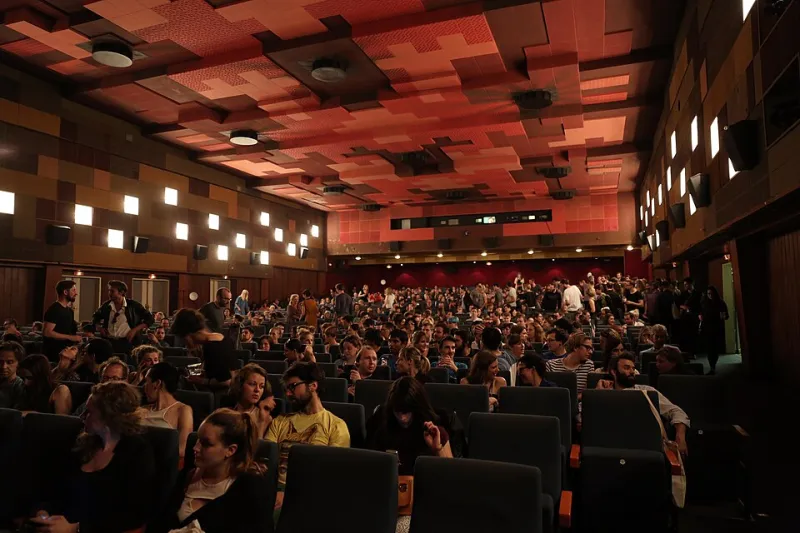
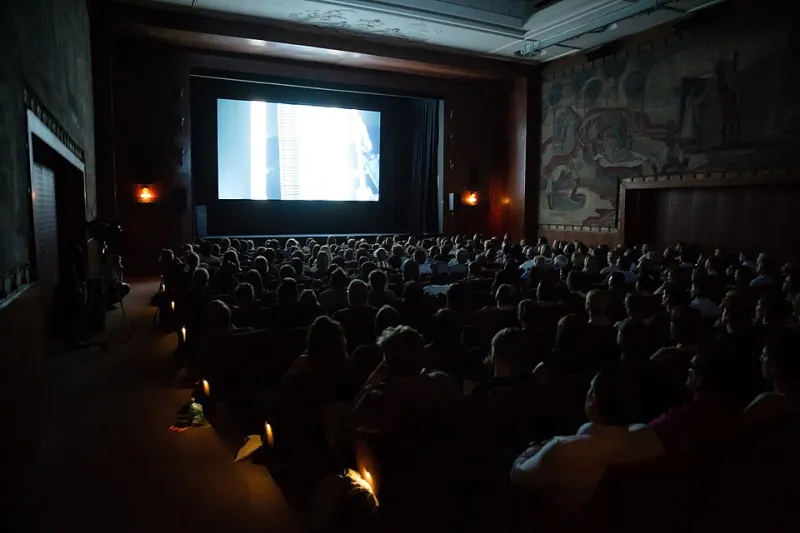
On a Saturday afternoon in Manchester, the queue outside a Picturehouse is not for a matinee of a French drama or a restored 70s thriller. It is for a K-pop concert film. Inside, the seats are filling with people carrying tote bags, photocards and, increasingly, lightsticks. The house lights go down, the screen fills with a stage, and for the next two hours the room behaves less like a cinema and more like a very polite, very seated arena.
That scene is no longer unusual. Over the past few years, UK cinemas have been quietly expanding their event programming. Opera, ballet, theatre, wrestling, even video game tournaments have all found a home on the big screen. K-pop is the latest, and perhaps the most enthusiastic, addition. The question is not whether cinemas will show concert films and comeback livestreams. It is how they are learning to host the crowds that come with them.
The event cinema playbook, remixed
Event cinema is not new. For years, chains and independents have filled quiet slots with live broadcasts from the Royal Opera House or the National Theatre. The model is simple: a one-off screening, a built-in audience, a ticket price that reflects the occasion. K-pop fits neatly into that framework. A concert film has a fixed runtime, a global release date and an audience that already knows the setlist.
What is different is the energy in the room. Opera audiences tend to applaud at the end. K-pop audiences arrive early, trade photocards in the foyer and sing along under their breath. Some cinemas have started to adjust. A few now publish a lightstick policy alongside their usual rules on food and phone use. Others are experimenting with lyric subtitles, turning the screen into a giant karaoke prompt. The result is a hybrid: part gig, part cinema trip, part fandom meet-up.
What actually happens in the room
The first thing you notice is the sound. Concert films are mixed for big rooms, and cinemas have the speakers to do them justice. The second is the etiquette. In a normal screening, a phone screen is a minor crime. At a K-pop cinema night, a phone torch might be part of the show. Not every venue allows it, and the rules vary. Some ask fans to keep lightsticks on the lowest setting. Others hand out glow sticks at the door. The negotiation is ongoing, and it is mostly friendly.
Subtitles are another sticking point. K-pop concert films often include Korean dialogue between songs, and comeback livestreams may have live translation. Cinemas have to decide whether to show lyric subtitles, dialogue subtitles or both. Some fans want the lyrics; others find them distracting. A few independent venues have started running informal polls on social media before a screening, asking ticket-holders what they would prefer. It is a small thing, but it signals a shift: cinemas are treating these audiences as active participants rather than passive viewers.
The economics of a Tuesday night
For independent cinemas, the appeal is obvious. A K-pop concert film can fill a screen on a Monday or Tuesday evening, when otherwise the room might be half-empty. It brings in a younger audience, one that might not otherwise visit. And it sells concessions. At a time when many venues are still recovering from the pandemic and competing with streaming, that matters.
Chain multiplexes are testing the water too. A Vue in Birmingham or a Cineworld in Leeds might run a concert film for a single weekend, sometimes with fan-organised viewing parties attached. The screenings are often promoted through social media rather than traditional advertising, which keeps costs down. The model is not without risk. Rights can be complicated, and not every release is designed for a cinema audience. But when it works, it works.
The limits of the format
Not every K-pop fan wants to watch a concert in a cinema. Part of the appeal of a gig is the crowd, the noise, the shared sweat. A seated screening cannot replicate that, and it should not try. There is also the question of time zones. A comeback livestream might be scheduled for 5pm KST, which is 9am in the UK. A cinema can screen it later, but the sense of watching live is lost. Some fans would rather watch at home, on their own schedule, with a cup of tea and no queue for the toilet.
Then there is the question of access. Not every town has a cinema willing to programme K-pop. Fans in rural areas may face a long journey, and ticket prices can add up. The trend is currently concentrated in cities with large student populations and existing Asian communities. That is not unusual for event cinema, but it is worth noting.
What comes next
The lightstick matinee is still finding its feet. Some cinemas are experimenting with themed nights, dressing the foyer with posters or handing out free photocards. Others are sticking to the basics: a good screen, a good sound system and a clear set of rules. Both approaches can work. What matters is that cinemas are listening. They are asking fans what they want, and they are willing to bend the usual rules.
In a year when the UK cinema industry is still figuring out its future, K-pop offers a useful lesson. People will leave the house for a shared experience. They will pay for a ticket, queue for a seat and sing along with strangers. The screen does not have to be showing a blockbuster for that to happen. Sometimes it just has to be showing a stage.