Read the Room: The K-Drama Dub Debate Has Found a New Accent

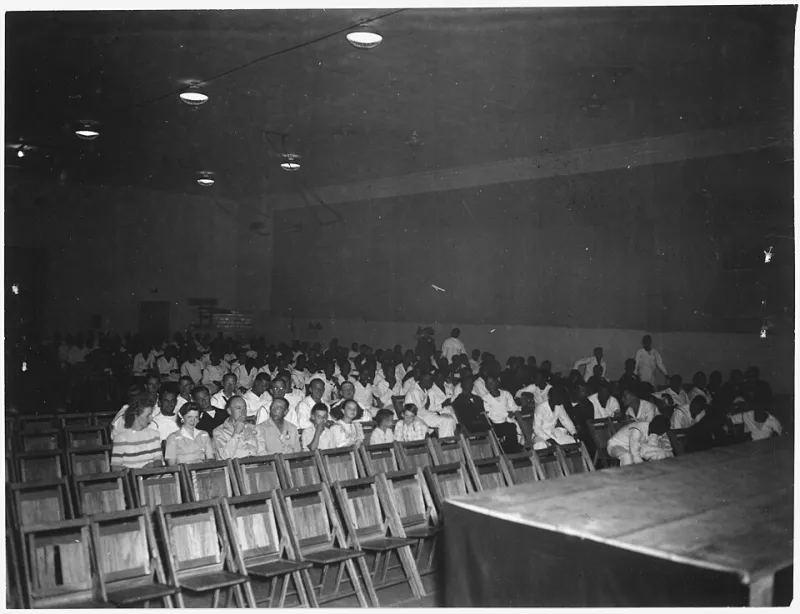
Photo: Jon Asato jon_asato, CC0, via Wikimedia Commons
There is a particular kind of group-chat silence that follows the words: ‘I’m watching it dubbed.’ It is not quite a scandal. It is more like someone admitting they put milk in before the tea bag. The reply, when it comes, is usually polite. Then someone sends a screenshot of a subtitle that has clearly been translated by a poet, and the argument begins again.
In 2026, the dub debate is back. Streaming services are pushing more English-language dubs of Korean dramas at UK viewers, and the old subtitles-versus-dub split has found a new set of fault lines. This time it is not just about purism. It is about accessibility, tired eyes, second screens, and the fact that a lot of people are watching television while also folding laundry.
The old argument, reheated
The classic case against dubs is familiar. Subtitles preserve the original performance. They keep the actor’s voice, the rhythm of the dialogue, the pauses that do not translate. A dub, the argument goes, flattens all of that into a performance you did not choose, in an accent that may not fit the character, at a volume that may not fit the scene.
The classic case for dubs is also familiar. Some people cannot read subtitles quickly enough. Some people are visually impaired. Some people are dyslexic. Some people are watching on a phone on a train and cannot hold the screen steady enough to follow a line of text. And some people simply want to watch a story without doing homework.
What is new is the background-viewing problem. A lot of K-drama watching now happens in the gaps: while cooking, while scrolling, while waiting for a delivery, while half-listening from the kitchen. Subtitles demand attention. Dubs do not. A dub lets a drama become a radio play with attractive cardigans. That is not how the director intended it. It is how a lot of people actually live.
The accent problem
For UK viewers, there is an extra layer. Dubs are often recorded in American English, and the mismatch can be jarring. A Seoul detective with a generic Californian drawl is not necessarily more authentic than a subtitle. It is just differently distracting. Some UK fans have started asking for British English dubs, which is a fascinating development: the desire for dubbing is not always a desire to erase the original. Sometimes it is a desire for a version that sounds closer to home.
That is where the argument gets interesting. The dub is not a single thing. A good dub can be warm, funny and surprisingly faithful. A bad dub can make a tender confession sound like a customer service call. The quality varies enormously, and streaming services do not always make it easy to tell which version you are getting before you press play.
What we lose, what we gain
What do we lose when we dub? Nuance, sometimes. The specific grain of a voice. The way an actor breathes before a line. The cultural texture of honorifics and register that subtitles can annotate and dubs often smooth away. A subtitle can leave a word untranslated and let you feel its weight. A dub has to make a choice and move on.
What do we gain? Access. Pace. The ability to look away. The ability to watch with someone who cannot read quickly, or who is tired, or who is ten years old. The ability to have the television on while you are doing something else. None of these are trivial. They are the conditions under which a lot of culture is actually consumed.
And subtitles are not neutral either. They are a translation, with a translator’s choices baked in. They can be beautiful. They can also be wrong, clumsy or over-explained. The idea that subtitles are the pure option is a bit of a myth. They are just a different set of compromises.
The real divide
The dub debate says more about how we watch than what we watch. It is a fight between cinema and living room, between attention and multitasking, between the idea of the ideal viewer and the reality of the tired one. It is also, frankly, a class argument in disguise. Subtitles require a certain kind of screen, a certain kind of eyesight and a certain kind of evening. Dubs ask less. That does not make them stupid. It makes them convenient.
So no, dubs have not entirely shaken their second-class reputation. The eye-roll still exists. But the ground is shifting. In 2026, more UK viewers are openly choosing dubs, and more of them are refusing to feel bad about it. The purists can keep their perfect subtitle. The rest of us are putting the kettle on and letting the drama talk.