The Binder Table: Why Britain’s K-Pop Photocard Swaps Are a Sunday Ritual
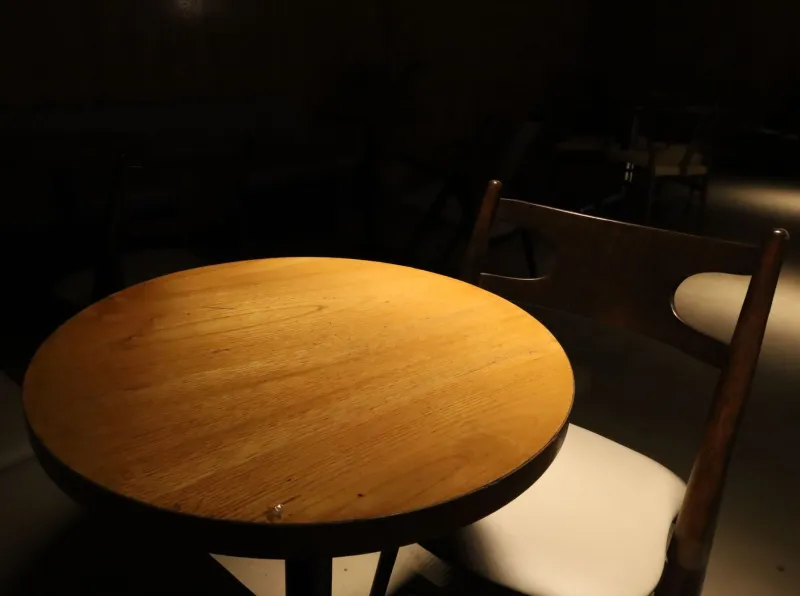
On a wet Sunday morning in Manchester, the back room of a café near Piccadilly Records is doing a brisk trade in small rectangles. There are oat lattes, a few open laptops and about a dozen A5 binders laid out like place settings. Nobody is dressed for a convention. This is not a convention. It is a photocard swap, and it runs to a timetable that feels almost municipal: doors at 11, trading until 3, tables cleared by half past.
These meetups have become a familiar fixture in UK fandom. You will find them in café back rooms in London, community halls in Bristol, library meeting spaces in Leeds and the quieter corners of Glasgow pubs. Some are monthly. Some are weekly. Most are organised through Instagram or Discord, with a pinned post listing the rules, the venue and the nearest train station. The pitch is simple: bring your binder, bring your wishlist, leave the parcel tape at home.
The meetup is the product
The appeal is not just the cards. Online trading still does most of the volume, but it comes with friction: postage costs, proof photos, the mild dread of a Royal Mail envelope arriving bent. In-person swaps remove the wait. You can inspect a card under café light, check the corners, compare the finish and decide whether the trade is right before anything changes hands.
It also gives fandom a local address. A K-pop fan in a small town might have no specialist shop nearby, but they can usually reach a Sunday swap by train. Organisers tend to pick venues near public transport and keep costs low: free entry, a £2 table fee, or a rule that you buy a drink. The mood is closer to a book club than a marketplace. People come for one trade and stay for two hours.
Binder etiquette, or the quiet laws of the table
Newcomers are usually told the same thing: ask before you touch. A binder is not a browsing rack. You point, the owner flips the sleeve, and you wait until the card is in your hand. Cards are kept face up, usually double-sleeved, often in top loaders. A soft corner is disclosed before a trade, not after.
The language is specific. ISO means in search of. UFT means up for trade. A wishlist might be a screenshot, a notes app list or a neatly printed page. Binders are often ordered by group, then era, then member, though the truly committed have separate sections for album pulls, broadcast cards and pre-order benefits. If you turn up with a shoebox, you will be gently encouraged to buy a binder before the next meet.
Anti-scam rules are just as important. Most swaps are trade-only, with cash top-ups allowed only when values are uneven. Organisers discourage bank transfers before a card is seen. Vouches matter, but in-person swaps rely on something simpler: reputation at the table. Regulars know who checks condition carefully, who brings a decent range and who has a habit of overvaluing a broadcast card because it is rare in their own collection.
The economics of a fair trade
A fair trade is not a vibe. It is a comparison. Traders pull up sold listings, not asking prices, and talk in ranges rather than fixed numbers. Album photocards sit at one level; pre-order benefits, lucky-draw cards and broadcast photocards sit at another. Condition moves the figure again. A card that looks mint in a photo can arrive with a soft corner, which is exactly why some fans prefer to trade in person.
The result is a surprisingly precise little economy. Two cards might be close in value, so one trader adds a smaller card as a top-up. Someone might trade down for a card they actually collect and accept a filler to balance it. The phrase fair trade gets used a lot, but it usually means both people have checked recent sold prices and are happy with the gap. Lowballing is not a crime, but it is remembered.
Why Sunday, why now
Part of this is timeline fatigue. Online fandom is fast, public and occasionally exhausting. A Sunday swap is slow, small and in the room. You cannot mute a conversation by closing an app. You have to say hello, open a binder and make a case for your card. That sounds like a lot of effort, but it is also the point.
There is a practical British story here too. Café culture has become more accommodating to hobby groups, community halls are looking for weekday and weekend bookings, and train fares are easier to justify for a planned afternoon than a speculative trip. The meets are not competing with the huge convention circuit. They are the local layer underneath it: the place where a fan can trade a duplicate without paying for postage or waiting a week.
At Koryang, we have written before about fandom turning up in everyday British spaces. This is another version of that. The photocard is the excuse; the table is the point. You learn who collects what, which group is having a moment, and which café has the right lighting for checking sleeve condition. The cards go home in new sleeves. The habit comes back next Sunday.